
Ceylon Tea: History, Types and Growing Regions of Sri Lanka
Sri Lanka is one of the world’s most recognised destinations for agricultural commodities. As a tropical country, it benefits from distinctive soil and climatic conditions that are ideal for cultivating a wide range of agricultural products. Formerly known as Ceylon, Sri Lanka is renowned for several major commodities, including Ceylon cinnamon and other spices, Ceylon tea, coconut and tropical fruits.
Among these products, Ceylon tea stands out as one of Sri Lanka’s leading agricultural exports. The country is the fourth-largest tea exporter in the world, generating over US$1.5 billion annually. Ceylon tea exports account for more than half of Sri Lanka’s total agricultural export revenue, providing direct and indirect employment to nearly one million people. Tea plantations cover approximately 4% of the country’s land area, amounting to around 200,000 to 267,000 hectares.
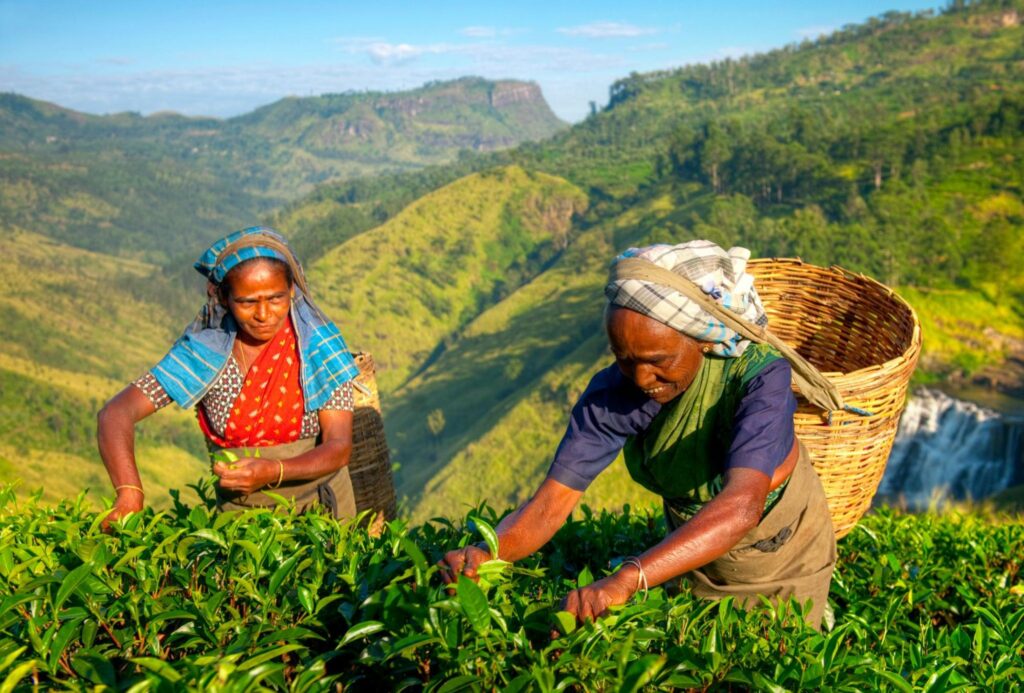
Ceylon tea is widely regarded as one of the world’s finest teas because of its distinctive flavour, aroma and freshness. The Lion Logo and the “Ceylon Tea” trademark guarantee that the tea originates from Sri Lanka and meets the required quality standards. Ceylon tea is primarily produced using orthodox and artisanal manufacturing techniques, with fresh tea leaves traditionally hand-plucked by skilled tea pluckers. To preserve its freshness, flavour and aroma, the tea is precisely packed within three weeks of harvesting, making freshness one of its distinguishing characteristics in the global tea market. Ceylon tea was also the world’s first ozone-friendly tea, eliminating the use of methyl bromide in its packaging and transportation.
Based on the altitude and climatic conditions of their growing regions, Ceylon teas are classified into three main categories: high-grown, mid-grown and low-grown tea. Each category possesses distinctive characteristics influenced by the soil and climatic conditions of its growing area, making them popular among international tea importers with different preferences and requirements.
History of Ceylon Tea
Although Sri Lanka is internationally renowned for its tea, the story of tea did not begin on the island. Its origins can be traced back to China, where tea plants grew naturally centuries ago, sometimes reaching several metres in height. Legends even tell of monkeys gathering tea leaves from steep mountain cliffs.
In 1824, tea plants were brought from China to Ceylon, now known as Sri Lanka, and planted at the Royal Botanical Gardens in Peradeniya for experimental and non-commercial purposes. At that time, Sri Lanka’s plantation industry was predominantly focused on coffee cultivation. However, following the devastating coffee leaf disease crisis, plantations gradually shifted towards tea.
A significant milestone in the history of Ceylon tea came in 1867. At Loolecondera Estate near Kandy, Scottish planter James Taylor planted 19 acres of tea, laying the foundation for Sri Lanka’s commercial tea industry.
Since then, tea cultivation has evolved considerably. Through careful pruning, naturally tall tea plants were shaped into manageable bushes, with flat canopies maintained at heights ranging from approximately 60 centimetres to over one metre. This made it easier to harvest the finest and most tender tea shoots.
In 1873, an early shipment of Ceylon tea reached London. As the industry continued to expand, Ceylon tea gradually gained worldwide recognition for its distinctive character and exceptional quality.
How Ceylon Tea Is Grown and Processed
The flavour and characteristics of Ceylon tea vary according to elevation and growing region. As mentioned earlier, Ceylon tea is classified into three main categories based on the altitude at which it is cultivated.
Low-grown teas are produced at elevations below 2,000 feet. They are generally known for their strong character and good colour and are typically consumed with milk. Mid-grown teas, cultivated between 2,000 and 4,000 feet, offer a combination of good colour and rich taste. High-grown teas, cultivated at elevations of 4,000 feet and above, are regarded as premium teas, distinguished by their strong and potent aroma and beautiful golden liquor.
Additionally, some estates produce Silver Tips tea, which yields a very light, straw-coloured liquor and is best enjoyed without milk. Seasonal variations and agroclimatic conditions also influence the flavour and quality of Ceylon tea.
The main tea-growing regions of Sri Lanka include Nuwara Eliya, Dimbula, Uva, Uda Pussellawa, Kandy, Ruhuna and Sabaragamuwa.
Unlike several other major tea-producing countries, Sri Lanka continues to maintain its traditional orthodox tea manufacturing practices. Fresh tea leaves are predominantly hand-plucked according to the two leaves and a bud method to maintain the quality and standard of Ceylon tea. Sri Lanka is also the world’s largest producer and exporter of orthodox tea, with approximately 93% of its tea manufactured using orthodox and artisanal methods, despite the widespread global use of the Cut, Tear and Curl (CTC) process.
In the orthodox tea manufacturing process, partially dried green tea leaves are rolled and twisted through a rotary motion. This causes the leaves to break and release their natural juices, initiating the oxidation process. The leaves are subsequently fired (dried) to produce the familiar black tea.
Sri Lanka also manufactures tea using the unorthodox Cut, Tear and Curl (CTC) method. In addition to conventional black tea, the country produces several other varieties, including green tea, instant tea, bio tea and flavoured tea.
High-grown Ceylon teas are particularly renowned for their distinctive taste and aroma. Seasonal teas from the Dimbula and Nuwara Eliya regions are especially popular among international tea blenders because of their unique characteristics.
Sri Lankan tea is exported to numerous destinations worldwide in various forms, including loose-leaf bulk tea, tea packets, tea bags, instant tea, green tea and flavoured tea.
Major Ceylon Tea-Growing Regions
Sri Lanka has several major tea-growing regions, each producing teas with distinctive characteristics influenced by its geographical location, elevation and climatic conditions. The six main regions are Nuwara Eliya, Dimbula, Kandy, Uda Pussellawa, Uva and Ruhuna.
Nuwara Eliya: Known for high-grown teas with a delicate character and light colour.
Dimbula: Produces bright, well-balanced teas with distinctive characteristics.
Kandy: Known for medium-grown teas with a strong and full-bodied character.
Uda Pussellawa: Produces teas known for their dark colour and rich character.
Uva: Particularly recognised for its distinctive aromatic qualities.
Ruhuna: Produces low-grown teas, often characterised by a darker appearance and strong flavour.
Different Types of Ceylon Tea
Ceylon tea is available in several varieties, each offering distinctive characteristics in terms of flavour, aroma, appearance and processing methods.
Black Tea: Black tea is the most widely recognised type of Ceylon tea. It is available in several grades, including OP, BOP, BOPF and Pekoe, which are among the main grades traded in international markets.
Green Tea: Ceylon green tea is a type developed from Assamese seedlings. It is processed to preserve more of its natural green characteristics.
White Tea: White tea is produced using carefully selected young buds and leaves. Silver Tips and Golden Tips are among the most expensive and premium tea varieties in the world.
In addition to conventional tea varieties, Sri Lankan tea exporters also supply organic Ceylon tea to international markets. Certified organic teas produced in compliance with standards such as USDA-NOP, EU Organic and JAS are embraced by European markets, bulk tea importers and organic tea brands.
Sourcing Ceylon Tea from Sri Lanka
Sri Lanka produces approximately 264 to 300 million kilograms of tea annually, with more than 95% of its annual production exported to international markets. Major international buyers of Ceylon tea include Turkey, Iraq and Russia, alongside strong regional markets across the Middle East and North Africa, as well as destinations such as Azerbaijan, China and Libya.
Ceylon tea continues to carry its rich heritage forward without compromising its quality. Every kilogram of Ceylon tea produced by tea factories across the island must undergo the protocols established by the Sri Lanka Tea Board to qualify for the use of the Ceylon Tea brand name.
Ceylon tea exporters purchase tea through tea brokers at the Colombo Tea Auction and supply some of the finest Sri Lankan teas to more than 140 countries worldwide.
At Uzesty Naturals (Pvt) Ltd, we are committed to supplying premium Sri Lankan natural products to international markets. As a Sri Lankan exporter of Ceylon natural products, including Ceylon tea, spices, dried fruits and coconut products, we are ready to supply quality Ceylon tea to bulk importers, tea buyers, private-label tea brands and tea blenders.
If you are an importer, wholesaler or distributor looking to source Ceylon tea from Sri Lanka, please contact Uzesty Naturals (Pvt) Ltd to discuss your requirements and explore potential business opportunities.