
Black Pepper: Origin, Varieties, Health Benefits and Uses of Sri Lankan Black Pepper
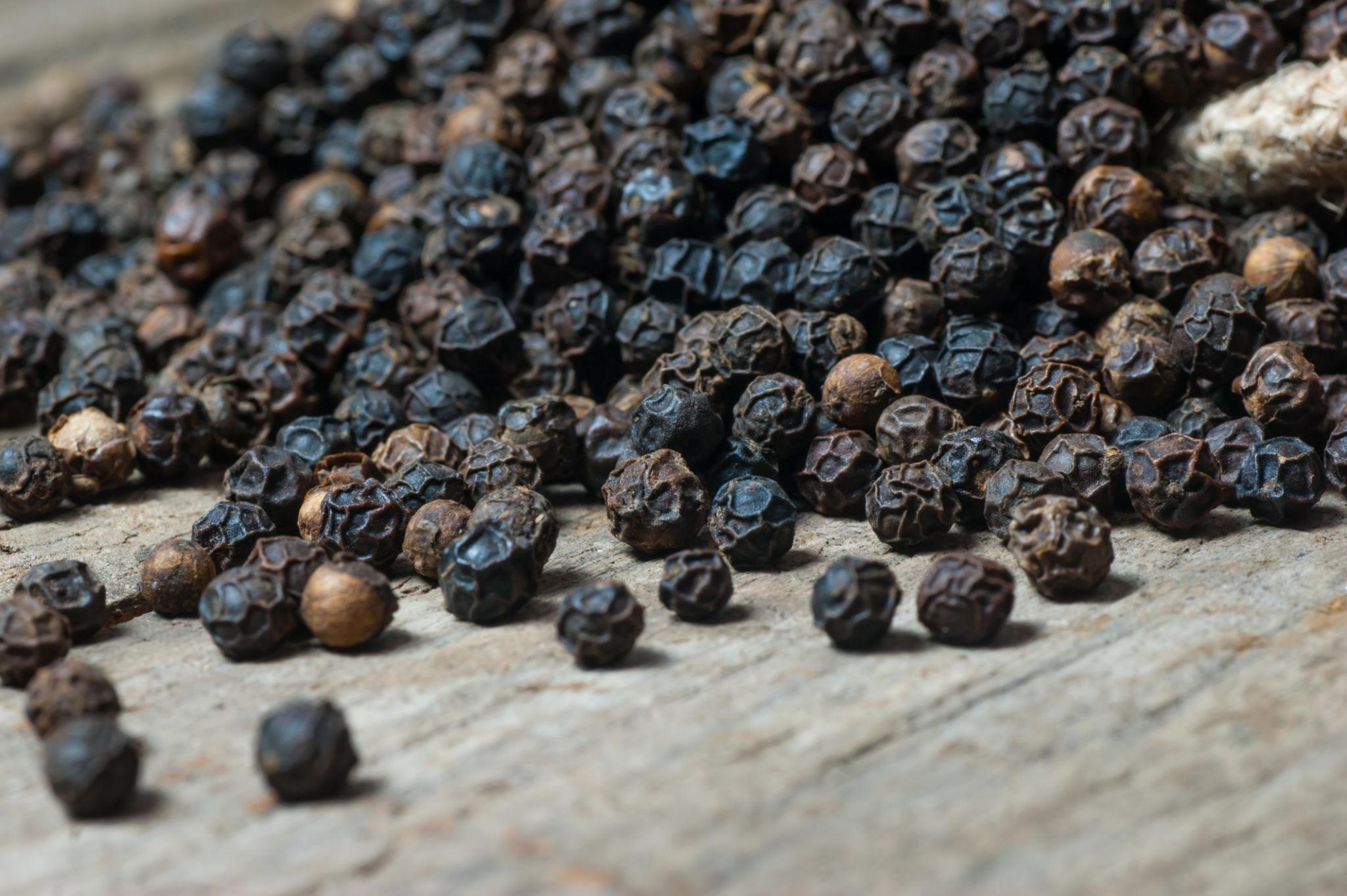
Black pepper is considered the most widely consumed spice in the world. Derived from Piper nigrum, black pepper is often praised as the King of Spices due to its distinctive characteristics and wide range of applications compared to other spices. It is renowned for its pungent taste and characteristic aroma. Although many countries produce this popular spice, Sri Lanka is recognised for producing some of the world’s highest-quality black pepper, particularly for its high piperine content. This premium variety is widely known as Ceylon Black Pepper.
Origin and Cultivation of Black Pepper in Sri Lanka
Black pepper, scientifically known as Piper nigrum, traces its origins to the Malabar Coast in the Indian state of Kerala. Even today, the highest-quality black pepper variety is referred to as “Malabar Black Pepper” by Sri Lankan farmers. Arab merchants maintained a monopoly over the black pepper trade for centuries. It was not until adventurers such as Columbus, Vasco da Gama and Magellan discovered new routes to the spice-producing lands of the East that black pepper became accessible to markets around the world.
Often referred to as Black Gold, Sri Lankan black pepper is cultivated across approximately 32,800 hectares of land, primarily in the districts of Matale, Kandy, Kegalle and Kurunegala. Pepper is a woody, perennial, evergreen climbing vine that can be cultivated as a monocrop or as an intercrop in coconut and tea plantations, using live or dead support standards. It is also well suited for cultivation in home gardens.
India, Germany and the United States are among the major markets for conventional Ceylon black pepper, while Australia and Canada are experiencing growing demand. European markets, meanwhile, predominantly favour organic black pepper.
Types and Grades of Black Pepper
Depending on the stage of maturity at harvest and the post-harvest processing methods used, Piper nigrum produces three distinctive varieties: black pepper, white pepper and green pepper.
Black pepper is produced by harvesting mature but unripe green berries and drying them. White pepper is obtained from fully ripe berries after removing their outer skin, while green pepper is harvested before ripening and processed using methods that preserve its characteristic green colour.
For export-oriented black pepper, the ideal moisture content is below 12%, making moisture control an important aspect of post-harvest handling and product quality.
Health Benefits and Culinary Uses of Black Pepper
According to Ayurveda, black pepper is considered a warming spice. Traditionally, it has been used to address various conditions, including diarrhoea, constipation, arthritis, insect stings, and respiratory and cardiovascular issues. It is also traditionally associated with improved digestion and appetite and is used as a decongestant for nasal congestion.
Piperine, the primary pungent compound in black pepper, enhances the bioavailability of several nutrients and compounds, including selenium, beta-carotene, curcumin, and vitamins A and C. For this reason, black pepper is frequently combined with other spices. Adding a pinch of black pepper to turmeric-based preparations and foods is commonly recommended to improve curcumin absorption.
According to Traditional Chinese Medicine, black pepper is considered a warming spice that helps fight cold and clear mucus. When combined with other warming spices, such as ginger and cinnamon, it can be used in infusions traditionally associated with relieving colds and flu.
Additionally, black pepper is associated with stimulating the secretion of digestive enzymes by the pancreas and accelerating intestinal transit, processes frequently linked to digestive health.
Beyond its traditional applications, black pepper plays an important role in the culinary industry by adding aroma and pungency to meat, fish and vegetable dishes. Sri Lankan black peppercorns are known for their powerful floral flavour, which complements meat dishes as well as roasted and sautéed vegetables. Freshly grinding whole peppercorns is essential for achieving the best flavour and aroma, as pre-ground pepper often becomes stale and rapidly loses its volatile oils and characteristic qualities.
Sri Lankan Black Pepper for International Markets
One of the most distinctive characteristics of Ceylon black pepper is its exceptionally high piperine content, which ranges from 6% to 15%, whereas black pepper from other producing countries contains less than 4% on average. This distinctive characteristic is one of the reasons international buyers are willing to pay a premium for Ceylon black pepper compared to other varieties.
As a premium spice-producing country, Sri Lanka accounts for approximately 2% of global black pepper demand. Sri Lankan spice exporters supply black pepper in various forms, including whole peppercorns, ground pepper and black pepper essential oil.
As a trusted, certified organic exporter serving the international B2B market, Uzesty Naturals (Pvt) Ltd offers premium conventional and organic Sri Lankan black pepper to buyers worldwide.
Whether you are a bulk importer, wellness brand or spice distributor, we are ready to discuss your sourcing requirements. Contact Uzesty Naturals (Pvt) Ltd to explore our conventional and certified organic Ceylon black pepper offerings.